November 11, 2026
Why Is My Cat Vomiting? Causes and When to Call the Vet
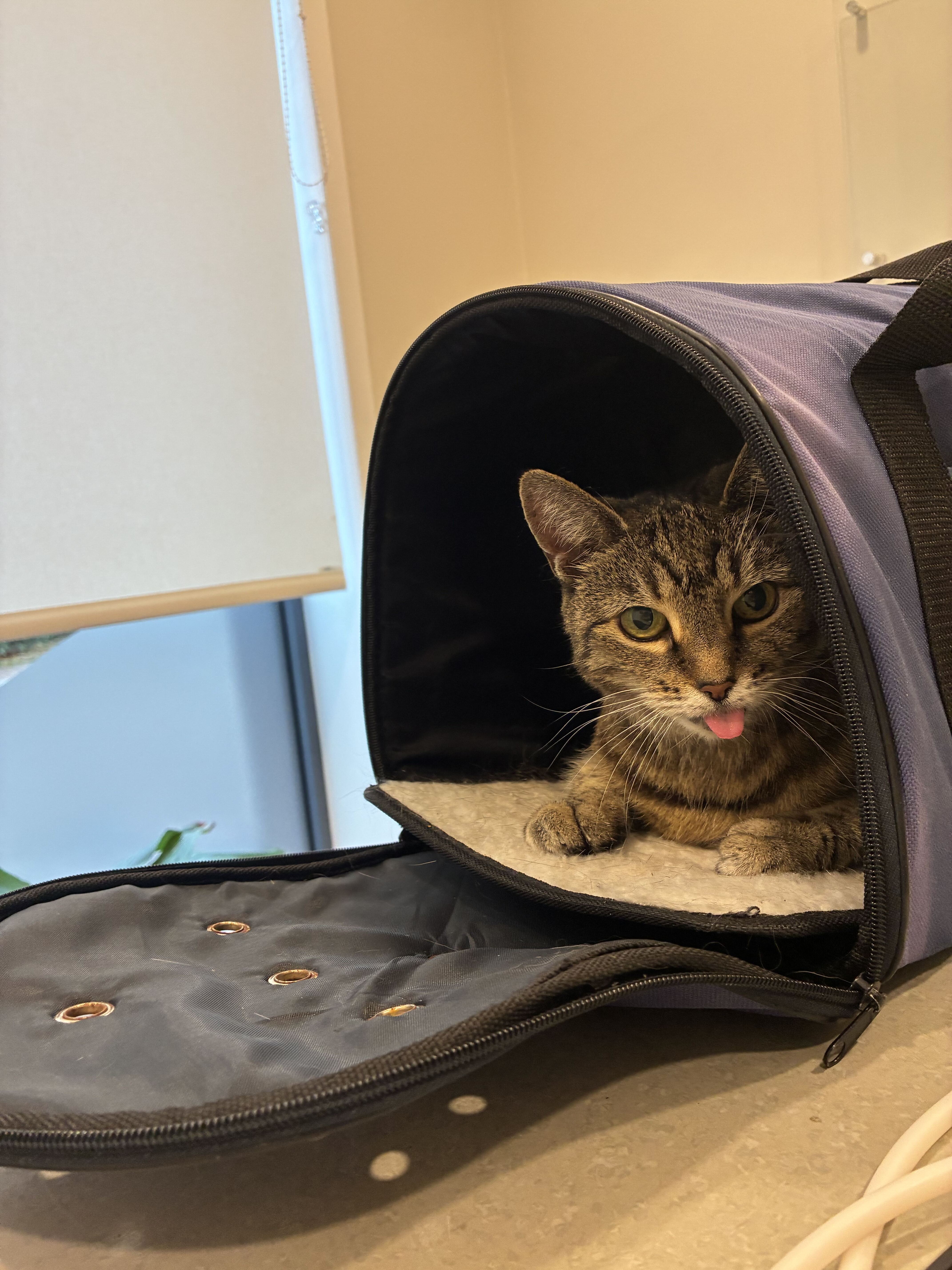
Vomiting is when a cat forcefully brings up the contents of their stomach. This differs from regurgitation, where undigested food comes back up shortly after eating without retching or the usual signs of nausea, such as drooling or lip-smacking.
Cats can vomit occasionally, and in many cases it's harmless. Often due to common causes like hairballs, eating too quickly, or a mild stomach upset.
However, frequent or severe vomiting can sometimes be a sign of an underlying health problem that may need veterinary attention.
Understanding what's normal for your own cat can help you spot when something's unusual - but if you feel unsure, our clinical team is happy to advise on WhatsApp.
Hairballs form when swallowed, loose fur collects in the stomach and is eventually brought back up. This is more common in long-haired or heavily shedding cats. Cornell's Feline Health Center notes that it isn't unusual for a cat to bring a hairball up once every week or two, but vomiting more often than that may point to excessive grooming or an underlying issue. In case of frequent vomiting, we recommend getting your cat checked by your vet as soon as possible.
Some cats can regurgitate undigested food shortly after eating simply because they've eaten too fast or too much. Feeding smaller meals more frequently, or using a slow feeder bowl, can often help.
Cats can have sensitive stomachs, and changing food too quickly may cause digestive upsets. If you need to switch your cat's diet, it's best done gradually over a few weeks, introducing the new food slowly alongside their usual meals to help reduce the risk of vomiting.
Mild stomach irritation, sometimes called gastritis, can cause temporary vomiting after eating spoiled food, scavenging, or a minor infection. Parasites, bacteria, and viral infections can trigger irritation too.
Cats may vomit if they ingest something toxic - such as a toxic plant, human medication, or a cleaning product - or if they swallow a foreign object like string that causes a blockage
Both have the potential to become life-threatening. We recommend contacting a vet urgently if your cat is vomiting repeatedly, is unable to keep food down, or may have eaten something dangerous. If unsure, please contact your local vet for advice.
Vomiting can also be a symptom of more serious conditions, particularly in older cats, including kidney disease, hyperthyroidism, liver disease, pancreatitis, and diabetes.
Senior cats are more prone to these illnesses, so repeated vomiting in an older cat should not be dismissed as just old age.
Vomiting can also be linked to food sensitivities or inflammatory bowel disease (IBD), both of which inflame the gut and can cause chronic vomiting. Research into cats investigated for ongoing digestive signs has found that a specific, diagnosable cause - most often IBD or intestinal lymphoma - is very often identified, which is why vets tend to take persistent vomiting seriously, rather than assuming it might just be a food sensitivity.
If you are concerned about your cat’s persistent vomiting and unsure whether you need to bring them to the vet, we recommend contacting your local vet.
The appearance of your cat's vomit can sometimes offer a clue about the cause, for example:
If blood is present in the vomit, or it is a tarry black colour, then this should be taken very seriously, and your cat should be checked by your vet as soon as possible.
Veterinary advice is important if your cat:
Any recurrent vomiting, or episodes lasting longer than 24 hours should also be assessed by a cat vet.
Diagnosis usually starts with a history and a physical exam, followed by:
Initial treatment which will depend on the underlying cause, and may include:
This may then be followed by further tests if needed, such as:
Repeated or severe vomiting should always be checked by a vet rather than managed at home indefinitely. In more serious cases, it may indicate a blockage is present. This can be an emergency and require urgent action.
My cat has vomited once but otherwise seems normal
Monitor them closely, make sure they have access to fresh water, and if they seem generally unwell then contact your local vet. We’re also on hand on WhatsApp for advice for local pets.
My cat has vomited continuously and looks unwell in any way
Contact your vet for advice. Cats can become dehydrated quickly, especially kittens and older cats.
Occasional vomiting is fairly common in cats and is often linked to hairballs, mild stomach upset, or eating too quickly.
Frequent, severe, or ongoing vomiting can sometimes indicate a more serious underlying condition. It is worth paying attention to other symptoms such as lethargy, weight loss, or appetite changes.
If you're ever concerned about your cat's vomiting, we recommend reaching out to your local vet for next steps.
An occasional hairball every week or two is generally nothing to worry about. More frequent vomiting, or vomiting not clearly tied to hairballs or a fast-eaten meal, is worth mentioning to your vet.
A single episode in an otherwise bright, eating, active cat isn't usually cause for alarm. Keep an eye on things and contact your vet if it happens again, or if your cat's behaviour changes.
No human or over-the-counter medication is safe to give a vomiting cat without veterinary guidance. For a single, mild episode, a short break from food and small amounts of water can help, but persistent vomiting needs a vet's input rather than home remedies.
Yes. Vomiting is an active process involving retching and signs of nausea, while regurgitation is passive - undigested food comes back up shortly after eating with little warning. The two point to different underlying causes.
For a single, mild episode, a short break from food before reintroducing a bland diet gradually is often fine. If your cat is repeatedly vomiting or refusing food, we recommend speaking to your vet rather than withholding food on your own.
Often, yes. Kittens more commonly vomit from parasites, eating things they shouldn’t, or infections, and they dehydrate faster than adults. Senior cats are more prone to chronic conditions like kidney disease or IBD. Vomiting in either group is best checked sooner rather than later.
Appointments today, advice immediately.
Veterinary care designed differently.