October 30, 2026
Why Is My Dog Not Eating? Appetite Loss in Dogs
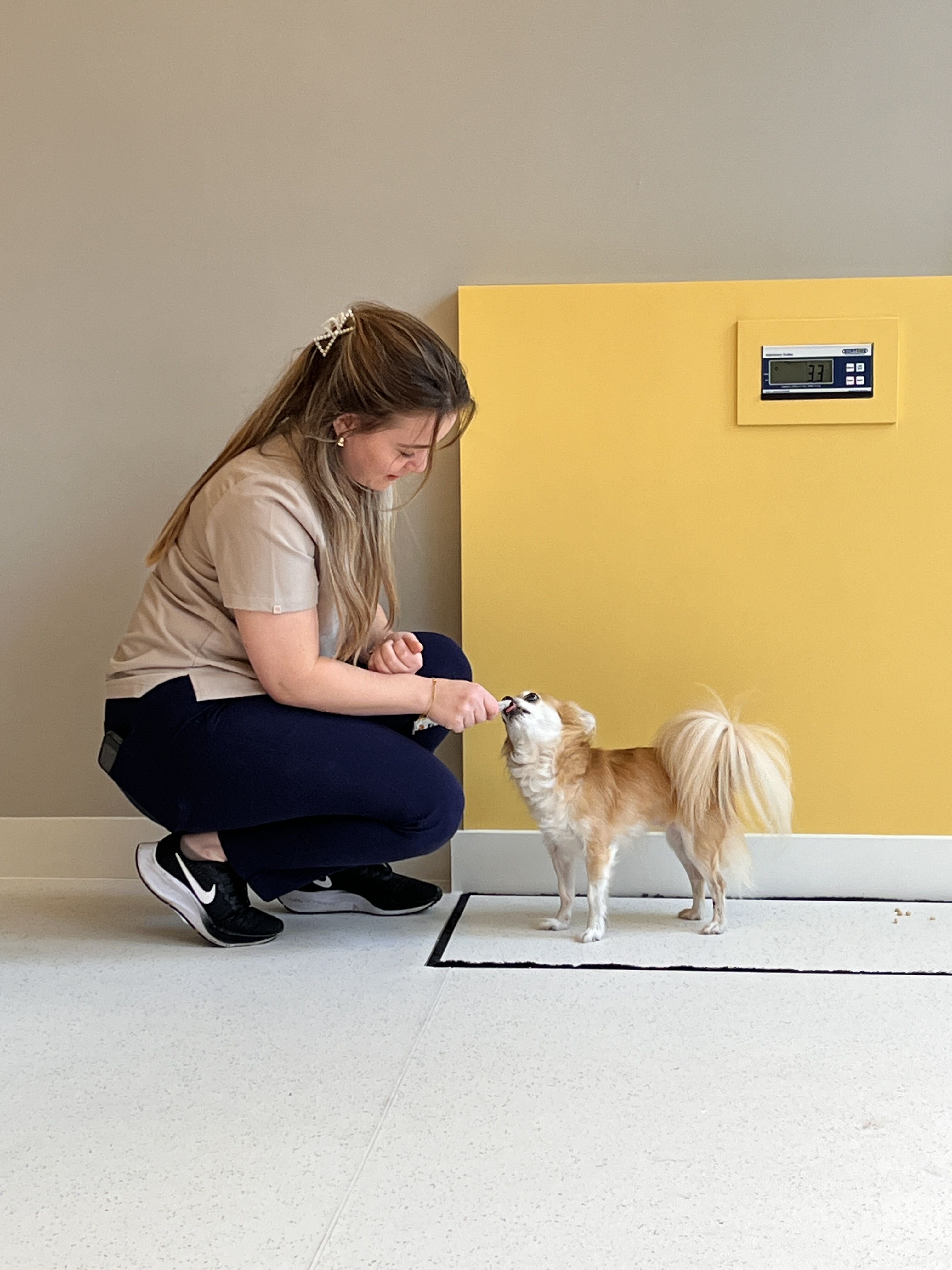
It's natural to worry when your dog isn’t interested in their food, especially if they're normally food-motivated. In most cases, a skipped meal or two isn't cause for alarm, but appetite loss that continues for more than a day, or comes with other symptoms, may be pointing to an underlying health condition.
This guide covers the most common reasons dogs stop eating, the warning signs to watch for, and when it's time to get help. If you're ever unsure, our clinical team is happy to advise on WhatsApp.
As a general guide, it's best to contact your local vet if your dog hasn't eaten anything for more than 24 hours.
Yes, occasionally. Dogs can skip a single meal for different harmless reasons including excitement, a change in routine, warm weather, or simply not being hungry that day.
A short-term dip in appetite that resolves within a day or so, with your dog otherwise acting normally, usually isn't cause for concern. What matters more is how long it lasts and whether it keeps happening.
Appetite loss that continues for more than a day, gets worse, or is paired with other symptoms is more likely to signal something that needs attention, so it's worth keeping a general sense of what's normal for your own dog.
Illness, pain, and underlying health conditions are among the more common reasons dogs go off their food. These include:
Appetite loss caused by illness is rarely the only symptom, it's usually accompanied by other changes. So it’s better to observe the bigger picture rather than the missed meal alone.
Dogs can be surprisingly sensitive to change. Stress, anxiety, and disruptions to routine can all reduce appetite, even in dogs that are otherwise perfectly healthy.
Common triggers include:
This kind of appetite loss usually resolves once your dog settles back into a routine, though it's still worth keeping an eye on things if it doesn't improve within a day or two.
Sometimes the food itself is the issue, rather than your dog's health. Some things worth considering:
Introducing new food gradually, keeping a consistent routine, and being mindful of treats can all help prevent these patterns from developing.
Appetite can naturally shift across a dog's life. Puppies and senior dogs in particular need a little extra care.
Appetite loss linked to an underlying disease rarely happens on its own. Signs worth watching out for alongside reduced eating include (but are not limited to):
If you notice any of these alongside lost appetite, especially more than one, it’s worth getting advice sooner rather than waiting to see if things improve.
As a general guide, it's best to contact your vet if your dog hasn't eaten anything for more than 24 hours, and sooner if:
Puppies in particular shouldn't be left to “wait and see” for as long as an adult dog would be, because they have lower energy reserves, meaning problems can develop faster.
If your dog's appetite has dropped but they're otherwise well, a few simple steps can help:
These tips can help with mild, short-term dips in appetite, but they're not a substitute for veterinary advice if appetite loss continues or your dog seems unwell.
A missed meal here and there is usually nothing to worry about, but appetite loss that persists, worsens, or comes with other symptoms is worth taking seriously - especially in puppies, senior dogs, or dogs with existing health conditions.
If you're ever concerned about your dog's appetite, our clinical team is always happy to help local pet owners work out the next step.
This is usually less concerning than appetite loss paired with other symptoms, and is often down to stress, a change in routine, or simple fussiness. That said, if it continues for more than a day, it's worth contacting your local vet.
As a general rule, it's recommended to contact a vet if your dog hasn't eaten for more than 24 hours. Puppies, senior dogs, and dogs with existing health conditions should be seen sooner, since they have less energy to cope with missed meals.
A few things that can help tempt a fussy eater:
These are best for short-term, mild dips in appetite that aren’t caused by a medical problem.
Appointments today, advice immediately.
Veterinary care designed differently.